Animal & Disease Models
Animal Model & Diseases
At Liveon Biolabs, we house a wide range of rodent and non-rodent species to support diverse research needs. Our team specializes in developing custom disease models for both efficacy and toxicity studies, ensuring relevance and translational value in preclinical testing.
Our AAALAC-accredited facility is equipped to conduct comprehensive physiological and behavioral assessments to establish no observable adverse effect levels (NOAEL) and efficacy endpoints as required by regulatory guidelines. We are committed to upholding the 4R principles – Replacement, Reduction, Refinement, and Rehabilitation – ensuring ethical, humane, and scientifically robust animal research.
Animal Models
Laboratory Animal Models
At Liveon Biolabs, we offer well-characterized and widely accepted laboratory animal models to support diverse in vivo study requirements across therapeutic areas. Our models are maintained under stringent quality conditions in AAALAC-accredited vivariums, ensuring reliability, reproducibility, and regulatory compliance for preclinical testing.
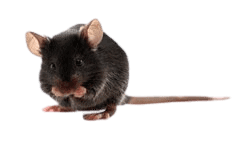
C57BL/6 (C57 Black 6) Mice
A genetically defined inbred mouse strain commonly used in physiological and pathological studies. The strain carries a mutation in the Nicotinamide Nucleotide Transhydrogenase (NNT) gene, leading to impaired mitochondrial antioxidant capacity — making it especially relevant for metabolic and cardiovascular research.
Common Applications:
Diet-induced obesity studies
Safety and efficacy assessments
Immunological studies.(T-cell and B-cell development)
Inflammation response models
Fibrosis and cardiomyopathy models
Heart failure research
BALB/c Mice
An albino inbred strain known for its immunological and oncological research relevance. BALB/c mice show heightened sensitivity to carcinogens and spontaneously develop tumors, including lung, renal, and reticular neoplasms — ideal for cancer and immune system research.
Common Applications:
Cancer therapy studies
Immunological response studies
Monoclonal antibody production
Viral defense mechanisms
DNA vaccine evaluations
Anti-plasmodial and antifungal immune response studies.
Swiss Albino Mice
A versatile outbred albino strain widely used for general-purpose research. Known for robust adaptability and ease of handling, Swiss Albino mice are an excellent choice for safety, efficacy, and toxicity testing across therapeutic categories.
Common Applications:
Toxicological evaluations
Efficacy testing
Safety pharmacology
General-purpose preclinical studies
Sprague-Dawley Rat
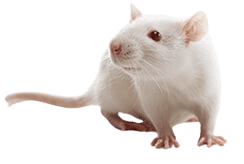
The Sprague-Dawley rat is a widely used outbred albino strain valued for its calm temperament, rapid growth, and ease of handling. Its longer tail-to-body length ratio makes it ideal for pharmacokinetic and behavioral assessments. This model supports a broad spectrum of research areas and is compliant with international regulatory requirements. Best Study Model for:
Best Study Model for:
General toxicology studies
Safety and efficacy pharmacological studies
Contemporary regulatory toxicology
Neurobiology and neurobiology research
Aging models and age-related studies
Wistar Rat
Wistar rats are one of the most widely used laboratory models in preclinical research. This outbred albino strain is known for its stable physiology, consistent growth patterns, and distinct anatomy—including a wide head and shorter tail compared to body length. Their adaptability and well-documented baseline data make them a preferred choice for a wide range of regulatory toxicology and pharmacology studies.
Best Study Model for:
Cardiotoxicity assessments
Nephrotoxicity and renal safety studies
Neurotoxicology studies
Safety and efficacy pharmacological evaluations
Aging and metabolic disorder models
Dunkin Hartley Guinea Pig
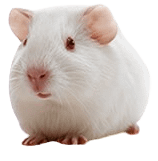
Dunkin Hartley guinea pigs are a widely used outbred strain in biomedical research. Like humans, they require an external source of Vitamin C, making them highly relevant for nutrition-based and metabolic studies. Their physiological similarity in immune responses and auditory anatomy also makes them ideal for otological and immunological research.
Best Study Model for:
Otological research (including human serum complement studies)
Immunological response assessments
Allergy and hypersensitivity studies
Golden Syrian Hamster
Golden Syrian hamsters, easily recognized by their golden-brown and white coat, are valuable models in preclinical research due to their physiological similarities in endocrine and reproductive systems. They are widely used in studies involving hormonal effects, dental caries, nutrition, cardiovascular health, and infectious diseases. Their predictable response profiles make them ideal for regulatory toxicology and pathology assessments.
Best Study Model for:
Carcinogenicity studies
General toxicology studies
New Zealand White Rabbit
The New Zealand White (NZW) rabbit is a widely used albino breed in biomedical and pharmaceutical research. Known for its docile nature, consistent physiology, and ease of handling, this rabbit model is especially valuable in dermatological, ophthalmological, and cardiovascular research. Its size and immunological profile also make it suitable for antibody production studies.
Best Study Model for:
Cardiotoxicity studies
Dermatology and wound healing studies
Antibody production
Disease Models
Infection models
Explore anti-infective efficacy in localized and systemic preclinical infection models.
Skin/Thigh Infection Model – Evaluates topical/systemic antimicrobial activity.
Aerosol/Lung Infection Model – Mimics respiratory pathogen exposure.
Wound Healing Model – Assesses tissue regeneration and antimicrobial healing effects.
Guidelines: OECD GLP.
Tumor models
Establish drug efficacy in diverse tumor microenvironments using standard and translational cancer models.
Subcutaneous Tumor Models – Easily measurable solid tumor growth models.
Solid Tumor Cell Lines – Includes ovarian, lung, colon, pancreas, glioblastoma, and breast cancer lines.
Hematological Tumor Lines – AML, CML, and Burkitt’s lymphoma for blood cancers.
Orthotopic Tumor Models – Tumor growth in native organ sites for advanced efficacy testing.
Patient-Derived Xenograft (PDX) Models – Maintain patient tumor heterogeneity for clinical relevance.
Guidelines: OECD GLP; FDA Guidance on Animal Models in Oncology.
Diabetes & Obesity models
Assess metabolic, glycemic, and lipid-regulating efficacy in preclinical systems.
OGTT, ITT, GSIS Assays – Evaluate glucose tolerance, insulin sensitivity, and secretion.
Alloxan-Induced Diabetes – Models type 1-like diabetes through beta-cell destruction.
Streptozotocin-Induced Diabetes – Widely used for both type 1 and type 2 diabetes studies.
Diet-Induced Models – Simulate type 2 diabetes and obesity via high-fat feeding.
Triton-Induced Hyperlipidemia – Acute model for dyslipidemia testing.
High Fat Diet-Induced Obesity – Long-term model for obesity-linked metabolic disorders.
Guidelines: OECD TG 426; ICH S6.
Colitis models
Mimic inflammatory bowel disease (IBD) and test anti-inflammatory drug candidates.
Dextran Sodium Sulphate (DSS)-Induced Colitis – Simulates ulcerative colitis pathology.
Oxazolone-Induced Colitis – Th2-mediated colitis model.
Trinitrobenzene Sulfonic Acid (TNBS)-Induced Colitis – Crohn’s disease-like features.
Guidelines: GLP.
.
Ulcer models
Evaluate gastroprotective effects of compounds in chemically and stress-induced ulceration.
Key Models:
Pylorus Ligation Model – Measures acid secretion and ulcer index.
Ethanol-Induced Ulcer – Acute mucosal injury model.
Indomethacin-Induced Ulcer – NSAID-induced ulcer model.
Acetic Acid-Induced Ulcer – Chronic ulcer model for healing evaluation.
Histamine-Induced Ulcer – Stimulates gastric acid secretion.
Methylene Blue-Induced Ulcer – Oxidative mucosal damage model.
Stress-Induced Ulcer – Mimics psychophysiological ulceration mechanisms.
Guidelines: OECD TG 420, 423 (if toxicity overlap); GLP-compliant protocol
.
Pain & Inflammatory models
Model acute and chronic pain, inflammation, and immune-mediated joint diseases.
CFA/Carrageenan-Induced Hyperalgesia (Rats) – Models inflammatory pain.
Carrageenan & LPS-Induced Paw Edema (Rats) – Tests anti-inflammatory compounds.
Oxazolone-Induced Ear Edema (Mice) – Assesses allergic inflammation.
Anti-inflammatory Study – General evaluation of inflammation-reducing agents.
Acetic Acid-Induced Writhing (Mice) – Measures peripheral analgesic activity.
Collagen-Induced Arthritis – Models autoimmune arthritis.
Adjuvant-Induced Arthritis – Chronic inflammation model for RA drug testing.
Guidelines: OECD TG 404, 405; EULAR recommendations for arthritis models.
Animal Studies
Central nervous system (CNS) & Behavioral studies
Assess neuropharmacological effects and cognitive functions through validated animal models.
Open Field Test – Measures exploratory behavior and general activity.
Scopolamine-Induced Amnesia – Models memory impairment for cognition testing.
Forced Swim Test – Assesses depressive-like behavior and antidepressant activity.
Elevated Plus Maze Test – Evaluates anxiety-related behavior
Y-Maze Test – Tests spatial memory and learning.
Beam Walk Test – Measures motor coordination and balance.
Rota Rod Test – Tests neuromuscular coordination.
Modified Morris Water Maze Test – Assesses spatial learning and memory.
Guidelines: OECD TG 426 (Developmental Neurotoxicity), ICH S7A/B.
Respiratory system studies
Model respiratory function, bronchoconstriction, and anti-tussive efficacy in vivo.
Histamine-Induced Bronchospasm – Assesses airway hyperresponsiveness.
Histamine-Induced Bronchoconstriction – Evaluates bronchial inflammation.
Bronchospasmolytic Activity – Measures effectiveness of bronchodilators.
Citric Acid Inhalation-Induced Cough – Tests antitussive agents.
Mechanical Stimulation-Induced Cough – Assesses mechanical trigger response.
Guidelines: OECD TG 412 (Inhalation Toxicity)
Gastrointestinal Studies
Evaluate efficacy of drugs targeting GI disturbances and parasitic infections.
Antidiarrhoeal Activities – Test compounds for controlling diarrhoea.
Antiamoebiasis Activities – Screen agents against amoebic infection
Renal & Nephroprotective studies
Test nephrotoxicity and protective efficacy of renal therapeutic agents.
Ethylene Glycol-Induced Urolithiasis – Mimics kidney stone formation.
Diuretic Activity (Lipschitz Test) – Assesses diuretic potential.
Gentamycin-Induced Nephrotoxicity – Evaluates drug-induced kidney damage.
Sodium Oxalate-Induced Urolithiasis – Tests anti-lithogenic activity.
Guidelines: OECD GLP; ICH S3A (Toxicokinetics)
Infection Models
Evaluate the allergic potential and hypersensitivity reactions caused by test agents.
Acute Systemic Anaphylaxis – Immediate hypersensitivity testing.
Arthus Type Immediate Hypersensitivity – Local allergic inflammation.
Delayed-Type Hypersensitivity – Evaluates cell-mediated immune response.
Guidelines: OECD TG 406 (Skin Sensitization); ISO 10993-10 (for devices).
Ophthalmology studies
Screen test agents for protective or therapeutic effects on ocular conditions.
Anticataract Activity – Measures inhibition of lens opacity progression.
Antiglaucomatous Activity – Assesses intraocular pressure-lowering effects.
Guidelines: OECD TG 405 (Eye Irritation); ISO 10993-10

BALB/c Mice